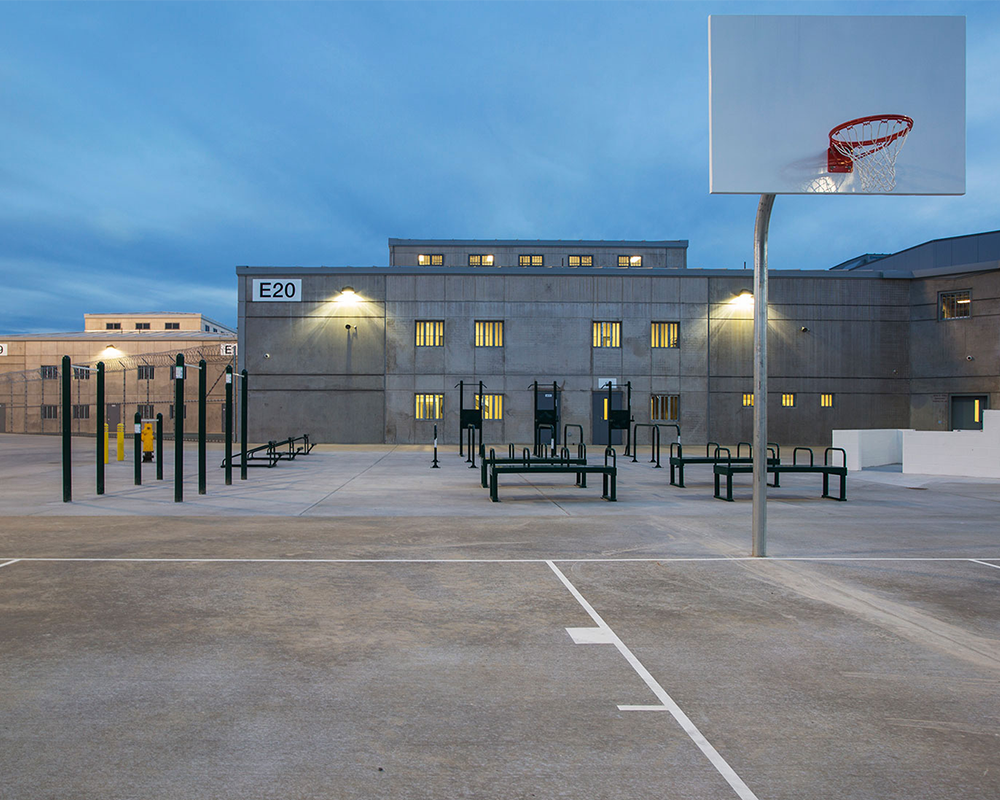
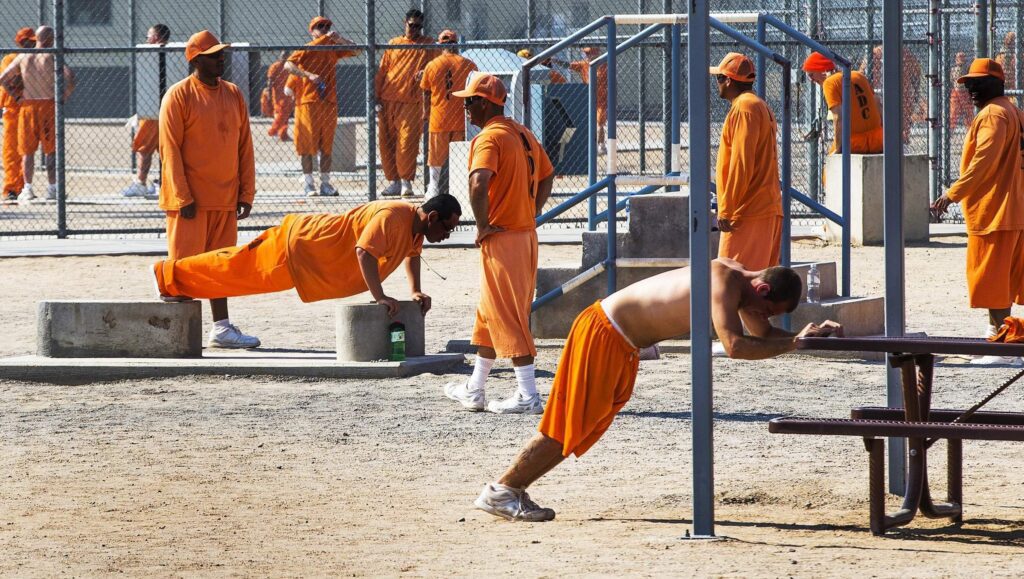
Safety, rehabilitation, and cost are some of the biggest pressures on correctional facility administration. While the problems are complex, one solution is simple: prison fitness programs. Studies show that introducing fitness programs improves mental health, reduces violence, lowers healthcare costs, and results in overall better rehabilitation outcomes. Read on to learn more.
Reduces Violence and Disciplinary Incidents
Pent up stress and aggression are a significant problem in prison. Existing in tight quarters with no privacy and constant stimulation causes stress and anger to build. Without a way to work through the feelings, violence spikes.
Fortunately, physical activity provides an easy solution. It lowers cortisol levels, the stress hormone that’s directly related to violence and aggression. Prison fitness programs benefit inmates by giving them a positive outlet for stress and tension. Prisons around the world find that inmates who have regular access to fitness equipment show fewer disciplinary problems and lower levels of aggression.
Fewer instances of violence don’t just benefit inmates, but prison staff and administrators, too. They correlate to fewer staff injuries, less legal issues, and an overall safer facility.
Improves Mental Health
According to the National Alliance on Mental Health, people with mental illness are overrepresented in prison. Approximately 2 in 5 inmates in prison have a history of mental illness, twice the rate of the general population. Depression, anxiety, and PTSD are all worsened by incarceration and few inmates have access to the mental health support they need.
That leads to another prison fitness program benefit: improved mental health. Studies have shown that exercise lowers anxiety and depression and improves self esteem. In a place where mental health resources are limited, simply incorporating a fitness program into inmates’ daily routines is an easy way to boost mental health and improve their quality of life.
Lowers Healthcare Costs
Chronic diseases are incredibly prevalent in inmate populations. Approximately 80% of incarcerated people suffer from a chronic health condition, like hypertension, diabetes, asthma, and other ongoing issues. While some inmates came to prison with these conditions, even more have developed them after years of living the sedentary prison lifestyle.
Chronic diseases come with significant healthcare expenses. According to some reports, healthcare in prison costs $14.6 billion each year. Much of that high cost is due to chronic conditions that require ongoing treatment as long as the inmate remains incarcerated.
Introducing a prison fitness program has the benefit of preventing cardiovascular diseases, diabetes, and hypertension. It can also help manage insulin resistance and control obesity-related illnesses. Not only does this mean fewer emergency room visits and hospitalizations, but it means less need for long-term prescriptions and costly treatments.
Reduces Boredom
One of the biggest things prisoners report struggling with is boredom. When faced with years of unstructured time and nothing meaningful to do with it, prisoners tend to develop more self-destructive and negative behaviors.
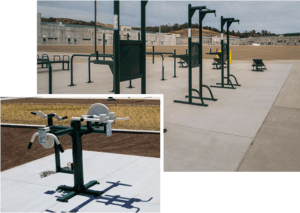
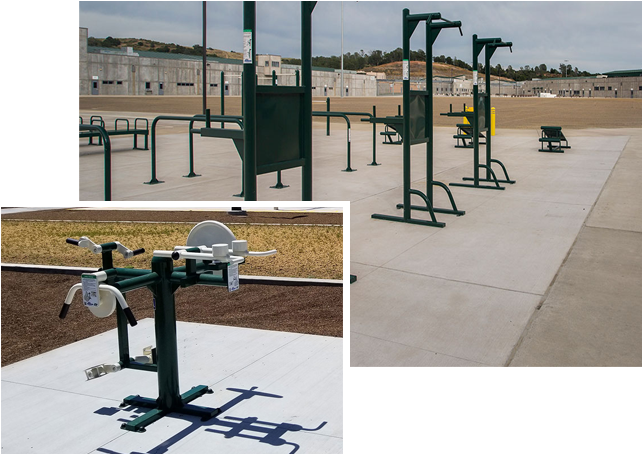
Fitness programming in prison directly solves this problem. A simple outdoor fitness area provides a productive use of time, introduces structure and routine, and enables inmates to set and achieve goals. Each of these has positive outcomes.
Betters Rehabilitation Outcomes
Prison fitness programs don’t just benefit inmates inside prison, but improve their outcomes outside of prison, too. Recidivism is a significant problem in the American prison system, and regular programming like fitness programming is proven to lower recidivism rates. According to the California Department of Corrections, inmates who participated in prison programming were less likely to reoffend after leaving prison. Ultimately, rehabilitation is the goal of prison, and prison fitness programs help inmates get there.
Improves Staff Morale
Prison fitness program benefits don’t just affect inmates; they extend to staff, too. When prison populations have overall lower levels of aggression and boredom and better daily routines, correctional officers and other prison staff benefit. Not only are there fewer acts of violence towards staff, but the day-to-day life of prison staff improves. That means a happier workforce, less turnover, and overall savings.
The Best Outdoor Exercise Equipment for Prisons
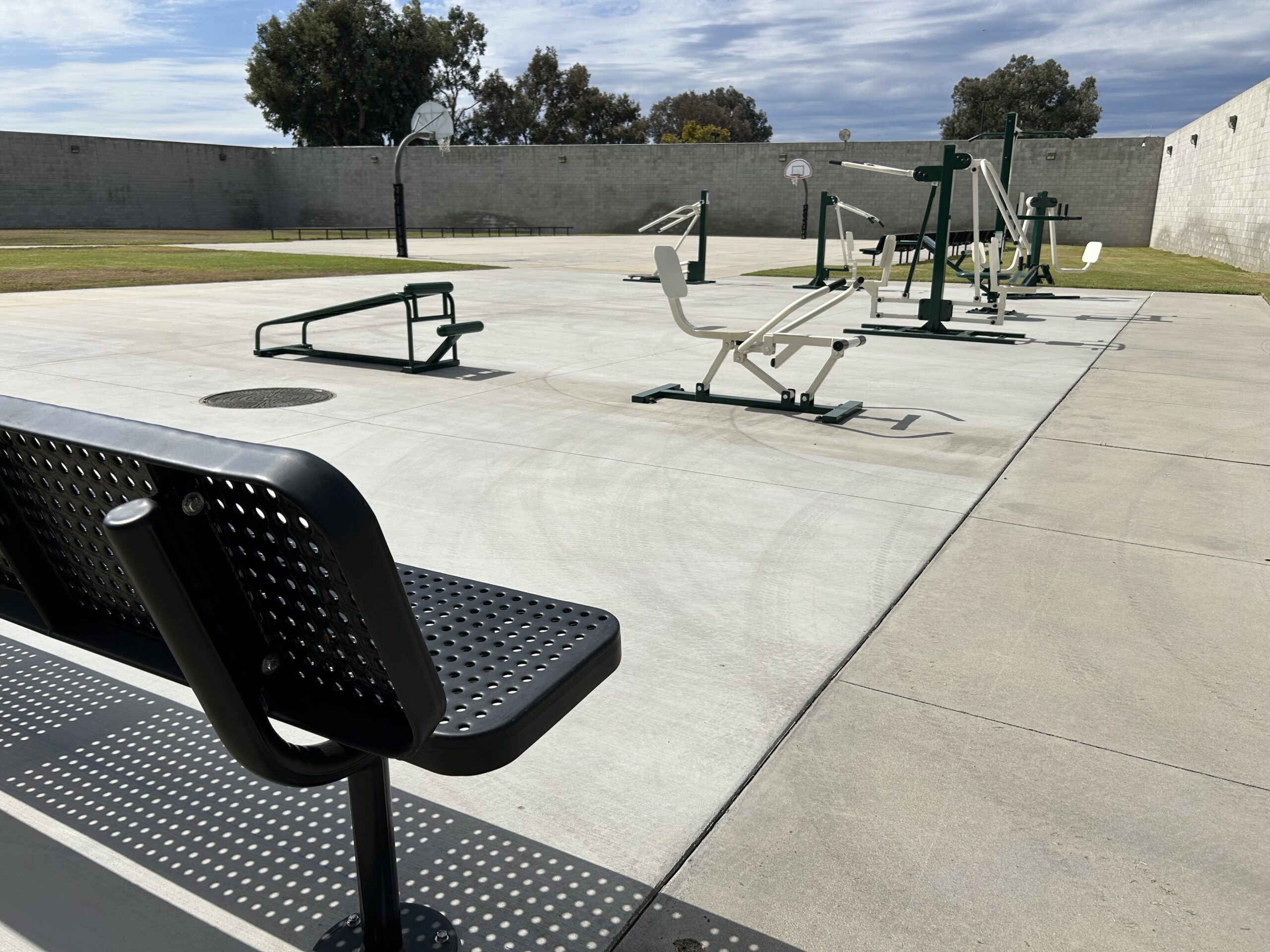
It’s clear that prison fitness programs benefit everyone. But building a fitness space in prison isn’t as simple as purchasing a few pieces of commercial exercise equipment. Standard gym equipment isn’t safe for use in correctional facilities. It can rarely withstand the level of strain from constant daily use and its maintenance costs are typically too high for prison budgets. On top of that, its parts can be used to fashion weapons. Instead of standard gym equipment, it’s essential to source purpose-built correctional fitness equipment to ensure everyone’s safety.
Pull-Up and Dip Bars
Pull-up and dip bars are some of the most cost-effective pieces of fitness equipment used in an outdoor exercise facility. Look for options made from heavy-gauge steel with no moving parts. That means virtually no maintenance and few safety risks. These pieces of machinery are simple, safe, and easy to maintain. Choose from 2-person pull-up and dip stations or wall-mounted dip bars that don’t take up any floor space.
Cardio Equipment
Cardio exercise equipment like air walkers, ellipticals, and exercise bikes provide cardiovascular workouts that improve heart health and lower risk of disease. Manual cardio equipment provides a sufficient workout without the need for electrical components, so your equipment is easy to maintain and safe to use outdoors.
Balance and Mobility Stations
While cardio workouts and strength exercises are among the more popular workouts in a prison fitness program, they aren’t the only important ones. Balance and mobility stations, like balance beams, plyo boxes, and tai chi spinners, extend the accessibility of your gym. Older inmates or those who are recovering from injury or new to exercise can benefit from low-impact physical activity, too.
Unlock the Benefits of Prison Fitness Programs with TriActive USA
Prison fitness programs are one of the most important investments that correctional facilities can make. They’re proven to improve safety and mental health, lower healthcare costs, and boost rehabilitation outcomes. TriActive USA works with correctional facilities across the nation to design custom outdoor fitness spaces according to population size and budget. Get started by contacting us today.