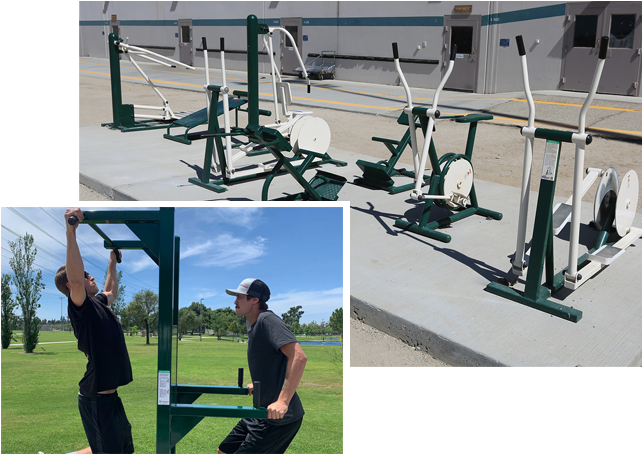
Physical fitness is the foundation of military life, from daily physical training to regular fitness testing. To support these efforts, service members need regular access to a fitness center that’s well-equipped with the right machinery. This guide covers everything you need to know about military fitness equipment: what to look for, how to select pieces, and how to build a training environment that meets service members’ needs.
What to Look for in Military Fitness Equipment
Military environments are demanding and not all gym equipment can meet those demands. Equipment designed for commercial gyms is less durable, can’t withstand exposure to the elements, and, in a military application, will inevitably require more maintenance than it’s worth. Instead of shopping for commercial equipment, look for military fitness equipment that meets these standards.
Steel Construction
Military fitness equipment undergoes far more strain and frequent use than equipment in a home or commercial gym. In these settings, plastic parts simply won’t hold up. It also tends to warp and degrade when exposed to direct sunlight, so outdoor use simply isn’t an option.
Instead of commercial equipment, look for equipment that’s made from heavy-gauge steel. It can withstand near-constant use and won’t dent or deform over time.
Powder Coating for Outdoor Exposure
The primary risk with steel equipment is corrosion caused by humidity, rain, snow, and even salt spray. To ensure your military fitness equipment lasts, look for powder-coated steel. Outdoor military fitness equipment should have a powder coating that’s tested to withstand at least 1,000 hours of salt spray, particularly if you’re coastal, have harsh winters, or experience humid summers.
Bodyweight-Based Design
Bodyweight workouts are central to military fitness regimens. The Army Fitness Test, Marine Corps fitness tests, and tests in other branches of the military include movements like pull-ups, push-ups, planks, and other exercises that utilize bodyweight as resistance. To prepare your troops for these exercises, look for military fitness equipment that prioritizes bodyweight over loose weights.
Bodyweight-based equipment has another benefit: cost savings. Replacing plates and dumbbells can add up quickly. Fewer loose parts means less opportunity for items to go missing.
Minimal Moving Parts
Equipment with cables, pulleys, pins, and moving weights requires regular inspection and maintenance, which drives up cost. When used in outdoor fitness facilities, moving parts also increase the risk of corrosion. That requires more frequent replacements and more equipment downtime.
A good rule of thumb is, the fewer moving parts a piece of equipment has, the cheaper it is to maintain.Look for equipment with simple design and little to no moving parts.
Multi-User Capabilities
During high-traffic hours, it’s important that your military fitness space can safely support as many simultaneous workouts as possible. Look for multi-station equipment that allows several users to train at the same time.
Manufacturer’s Warranty
Want the confidence that your equipment is made with quality design and construction? Look for pieces with a manufacturer’s warranty. Not only can a warranty protect you when an issue arises, but it signals that the manufacturer stands behind their product. That’s among the highest stamps of approval you can find.
The Best Military Fitness Equipment for Facilities
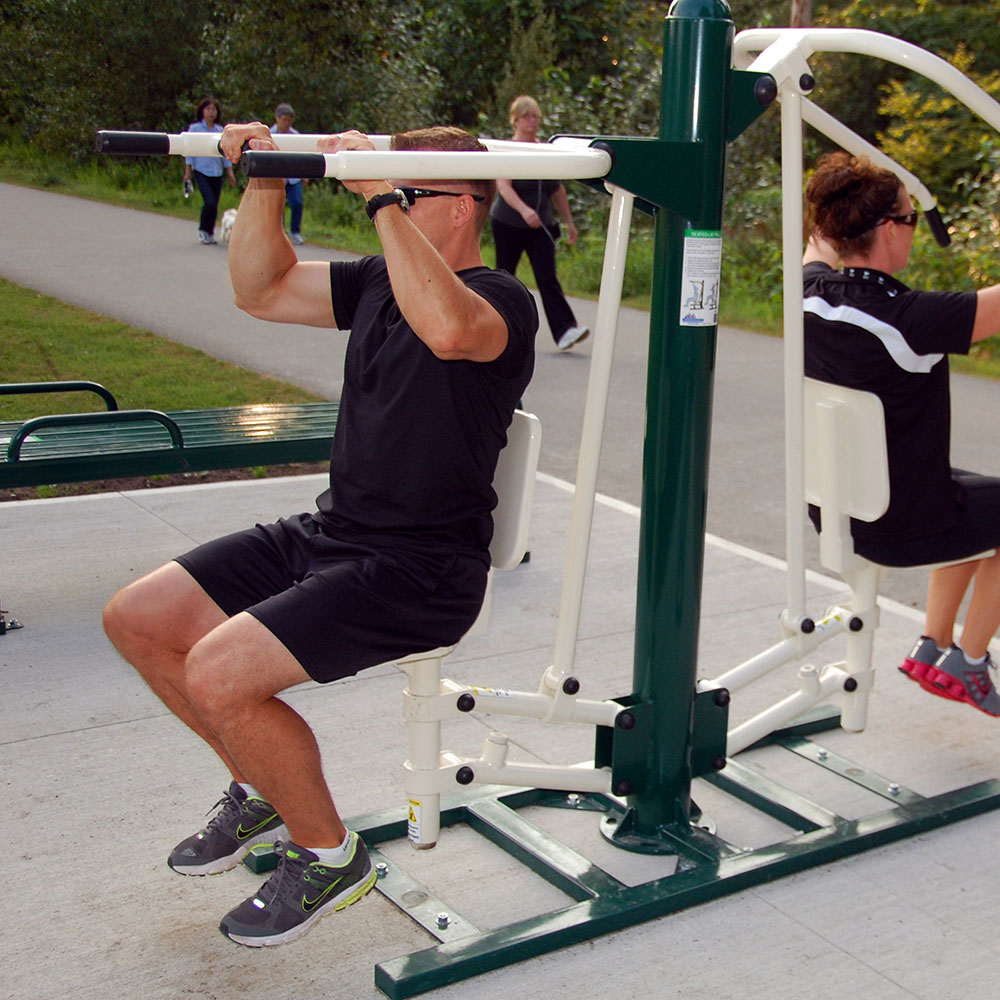
For the best possible workout, be sure your military fitness equipment addresses all four categories of exercise: upper body, lower body, core, and cardio. Here’s how to cover each one.
Upper Body: Pull-Up and Dip Stations
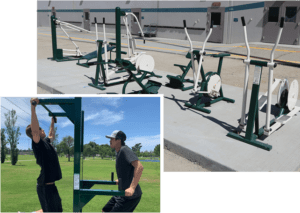
Upper body strength is a core requirement for every branch of the military. To help build these muscles, create a dedicated pull-up and dip station in your military fitness area. These are among the best exercises for the upper body, targeting lats, rhomboids, trapezius, bicep, and core muscles all at once.
Lower Body: Leg Press, Squat Press, and Plyo Boxes
Troops regularly carry a significant amount of equipment, from heavy packs to protective gear. Without proper lower body training, soldiers won’t be able to go the distance under heavy loads, and may even risk injuries that could send them to an early retirement.
Ensure your troops develop strong, stable lower bodies with military fitness equipment that targets the quads, hamstrings, and glutes. Leg presses and squat presses are a go-to choice. Plyometric exercises also help build explosive power, essential for running, jumping, and dodging out in the field. Plyo box jumps, step-ups, and split squats develop this type of strength.
Core: Sit Up Stations
Without core strength, upper and lower body strength simply don’t translate. A strong core provides the stability needed to lift and carry heavy equipment, traverse uneven terrain, jump over obstacles, and more.
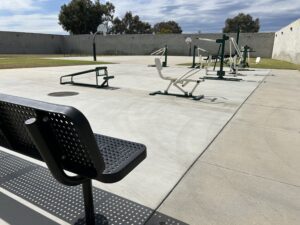
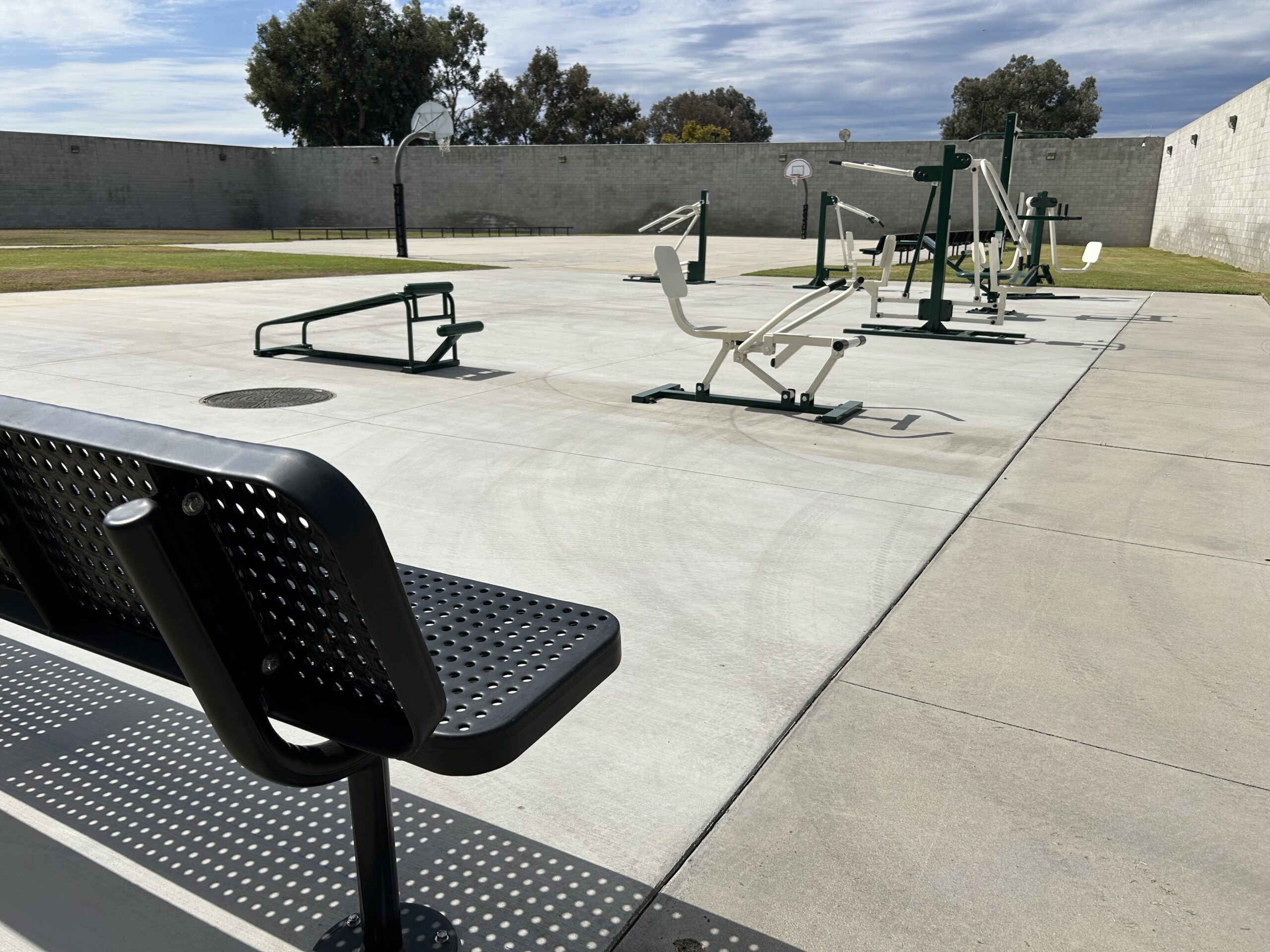
To address this need, create a core station with a sit-up board and sit-up bench. The board’s inclined surface provides the perfect base for sit-ups and crunches, while the bench can be used for leg raises, decline sit-ups, bicycle crunches, and more.
Cardio: Elliptical Cross Trainer and Exercise Bike
Most rely on running to build cardio, but it isn’t the best choice for everyone. It puts extra stress on the joints which can lead to injuries. For those who need to give their joints a break, provide alternative cardio stations like elliptical cross-trainers and exercise bikes. Both provide low-impact, full-body cardio workouts.
How to Build a Well-Rounded Military Gym
Creating a military gym isn’t as simple as putting equipment outside. It’s important to create an environment that’s functional. Read on to learn how to create a gym that functions as a system, rather than just a grouping of military fitness equipment.
Design for Circuits
Congestion is a problem in military fitness environments. Design your gym for circuits so that service members can move from station to station without waiting on one another. For instance, place a pull-up station next to a sit up bench next to plyo-boxes for a full-body circuit that keeps people moving.
Plan for Simultaneous Use
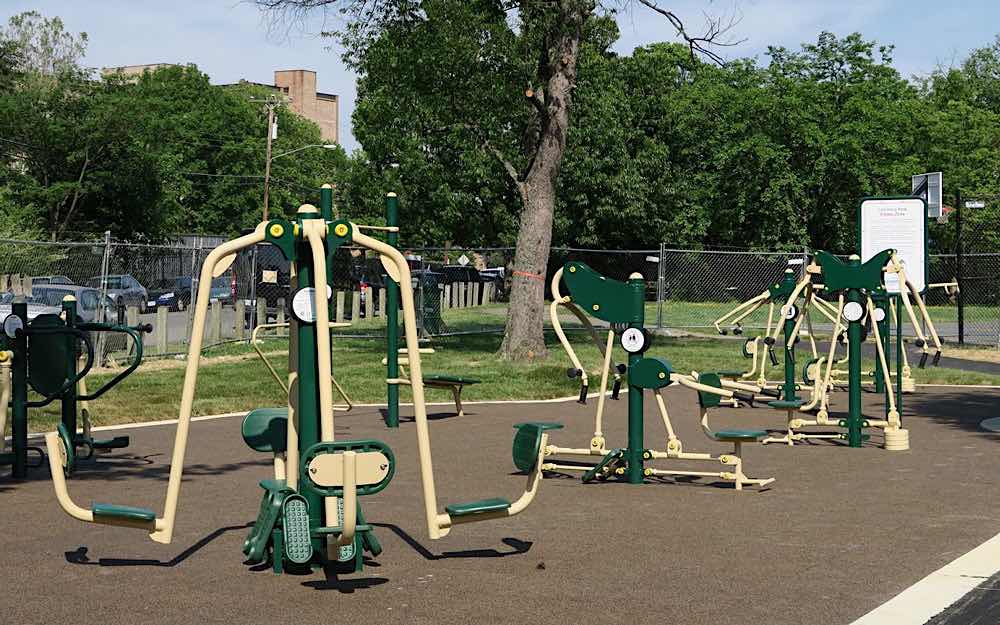
When space is limited, choose equipment that supports multiple service members at once. Modular equipment combines several exercises into one small footprint, enabling several people to complete their workout at the same time.
Go Outdoors
Outdoor fitness spaces offer advantages to service members and governments. There’s little associated facilities cost without the need for climate control and minimal lighting requirements. Plus, an outdoor fitness environment more closely simulates the conditions service members will actually experience out in the field, meaning they’ll be more prepared when they get there.
Build Military Fitness Spaces that Last
When it comes to military fitness, standards are high. That means fitness facilities need to meet high standards, too. Military fitness equipment should be built for near-constant use, not just home fitness equipment on a larger scale.
TriActive USA fitness equipment is made to withstand whatever your service members throw at it. With steel construction, protective coatings, minimal moving parts, and a manufacturers warranty, this equipment is designed for serious training day in and day out.